

AIDS, cancer and substance abuse
Human Health and Disease26 min readLesson 3 of 5
3.1 AIDS
AIDS stands for Acquired Immuno Deficiency Syndrome. The term means a deficiency of the immune system that is acquired during the life of the person, so it is not a congenital disease, and the term syndrome means a group of symptoms that occur together. AIDS was first reported in 1981, and since then it has spread across the world and killed more than 25 million people.
The cause is the human immunodeficiency virus, one of the retroviruses, a group whose members carry an RNA genome inside an envelope. It passes from one person to another in four main ways: sexual contact with an infected partner; transfusion of blood or blood products that carry the virus; sharing needles, as intravenous drug users do; and from an infected mother to her child during pregnancy or while breast feeding. The people at high risk are those with many sexual partners, those who inject drugs, those who receive blood without screening, and infants of infected mothers. Casual contact such as shaking hands, sharing food or mosquito bites does not spread the virus.
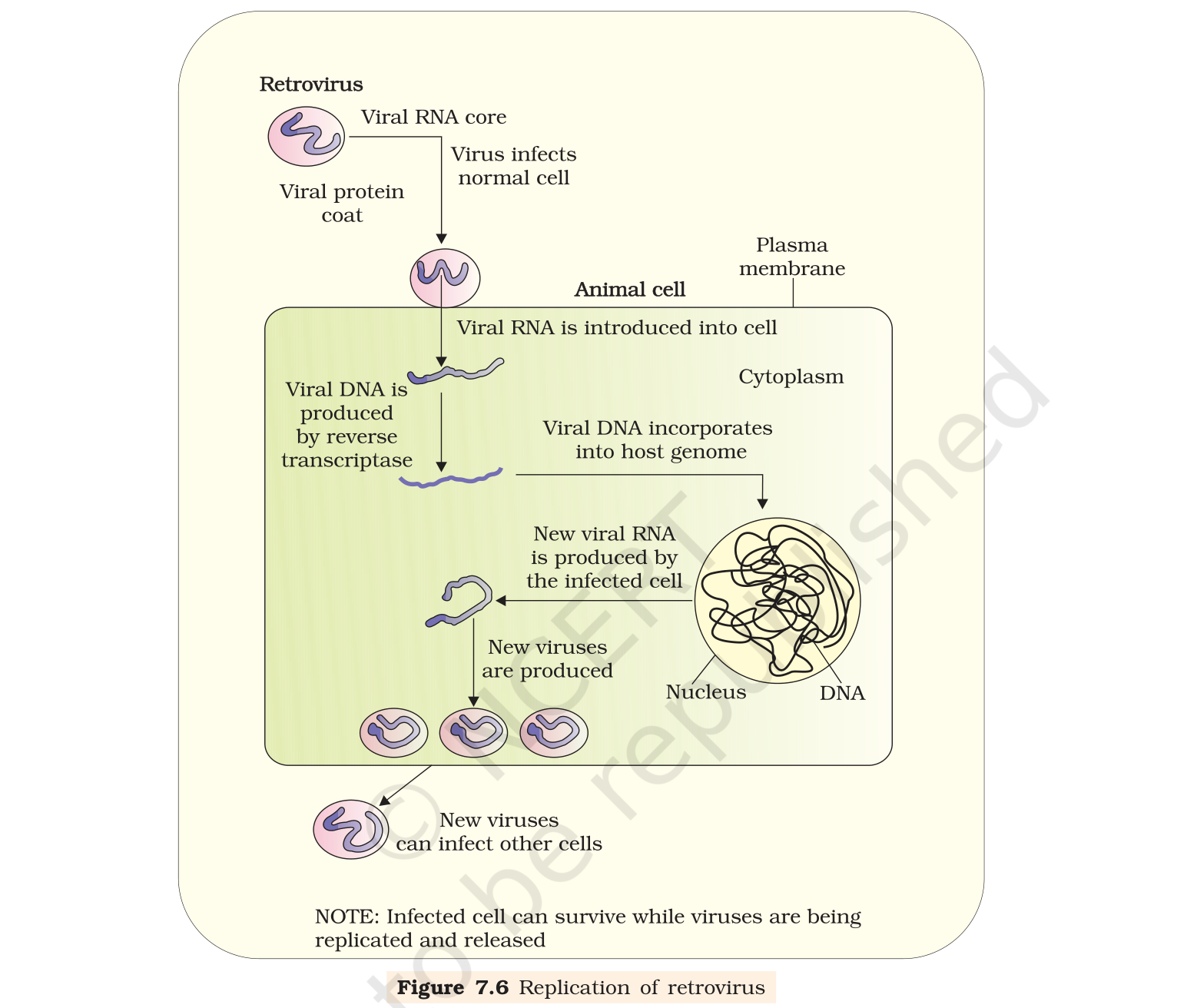
3.2 How HIV replicates and causes disease
After HIV enters the body, the virus reaches the helper T lymphocytes. The viral RNA is copied into viral DNA by the enzyme reverse transcriptase, which the virus itself brings with it, and this DNA then joins the DNA of the host cell. The infected cell then makes new viral RNA and proteins, and new viruses are assembled and released, as Figure 7.6 shows. The infected cell is damaged and more and more helper T cells are destroyed as the virus multiplies.
The helper T cells are the central coordinators of the immune response, so when their number falls, the whole immune system weakens. This is why a person with AIDS does not usually die of the virus itself but of infections that a healthy person would overcome easily. The immune system of an infected person first fights the virus and the helper T cell count may recover for some years, but the virus cannot be cleared completely and the count eventually falls. The disease is diagnosed by the ELISA test, which detects the antibodies made against the virus, and the number of helper T cells is also counted. There is no permanent cure, but the anti-retroviral drugs that slow the multiplication of the virus have made it possible to live with the infection for many years. Awareness, screened blood, sterile needles and safe practices are the main ways to stop the spread.
3.3 Cancer
Cancer is a disease in which some cells of the body multiply without control and form a mass called a tumour. Normally a cell divides only when it is needed and stops when it touches its neighbours, and the loss of this contact inhibition is what makes the cell divide again and again. A tumour that stays in one place is called benign, and one that spreads to other parts of the body is called malignant. The spread of the malignant cells to distant organs through the blood and the lymph is called metastasis, and it is the reason that cancer can be fatal.
The agents that cause cancer are called carcinogens, and they include physical agents such as X-rays and ultraviolet light, chemical agents such as tobacco smoke and many industrial chemicals, and biological agents such as some viruses. The genes whose normal control is lost are of two kinds, the oncogenes, which are carried by the cell and which promote the growth of the cell, and the tumour suppressor genes, which normally stop the cell from dividing but are inactivated in many cancers. Early detection is important, and it uses biopsy, the examination of blood and tissues, and imaging methods, and the detection of known cancer genes in a person with a family history. The treatment is a combination of surgery, radiotherapy, chemotherapy and immunotherapy, and the side effects of the drugs, such as hair loss and anaemia, are well known. The biological response modifier interferon helps the immune system destroy the tumour.
3.4 Drugs and alcohol abuse
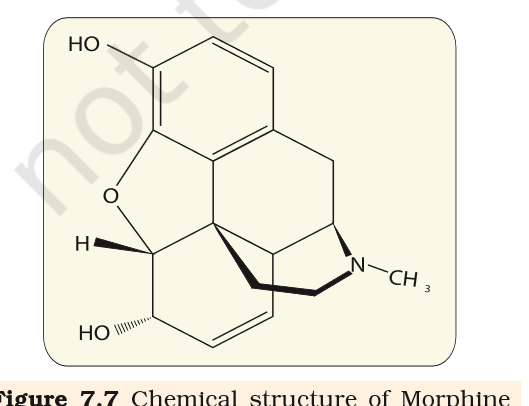
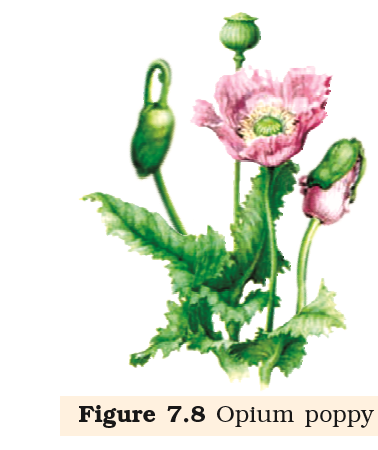
The drugs that are commonly abused are the opioids, the cannabinoids and the coca alkaloids, and most of them come from flowering plants while some come from fungi. The opioids bind to specific opioid receptors in the central nervous system and in the gastrointestinal tract. Heroin, commonly called smack, is chemically diacetylmorphine, a white, odourless, bitter crystalline compound obtained by the acetylation of morphine, which is extracted from the latex of the unripe capsules of the opium poppy Papaver somniferum, shown in Figure 7.8. It is generally taken by snorting or by injection, and it acts as a depressant that slows down the body functions.
The cannabinoids interact with the cannabinoid receptors that are present mainly in the brain. Cannabinoids occur naturally in the inflorescences of Cannabis sativa, and its flower tops, leaves and resin go into marijuana, hashish, charas and ganja in different combinations. They are generally taken by inhalation or by mouth, and they are known for their effect on the cardiovascular system of the body. The coca alkaloid, or cocaine, is obtained from the coca plant Erythroxylum coca, which is native to South America. Cocaine interferes with the transport of the neurotransmitter dopamine and it is commonly called coke or crack. It is usually snorted, it stimulates the central nervous system and produces a sense of euphoria and increased energy, and an overdose causes hallucinations. The plants Atropa belladonna and Datura, shown in Figure 7.11, also have hallucinogenic properties. The barbiturates, amphetamines and benzodiazepines are medicines that are normally used to treat mental illnesses such as depression and insomnia, and they are often abused as well.
The effects of drug and alcohol abuse include damage to the nervous system and the liver, a greater risk of infections from shared needles, and problems in family and social life. The warning signs include a change of friends and habits, a drop in marks, a loss of interest in hobbies, a change in sleep and appetite, and secrecy about money. Prevention works through education, counselling, sports and the support of parents and teachers, and treatment needs doctors and de-addiction centres.
Slideshow, slide 1 of 3. Use the left and right arrow keys to change slides and the space bar to play or pause.
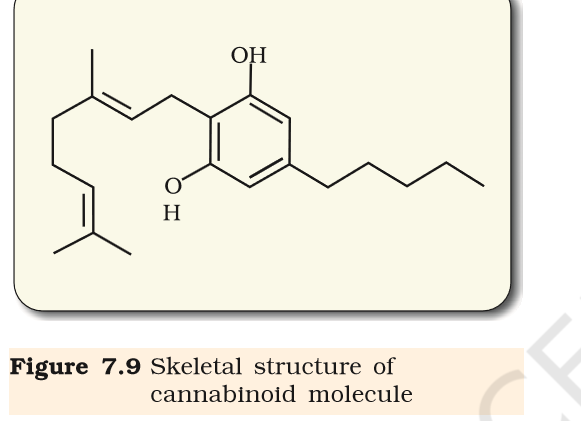
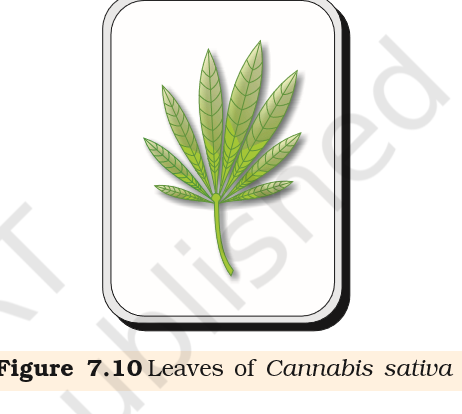
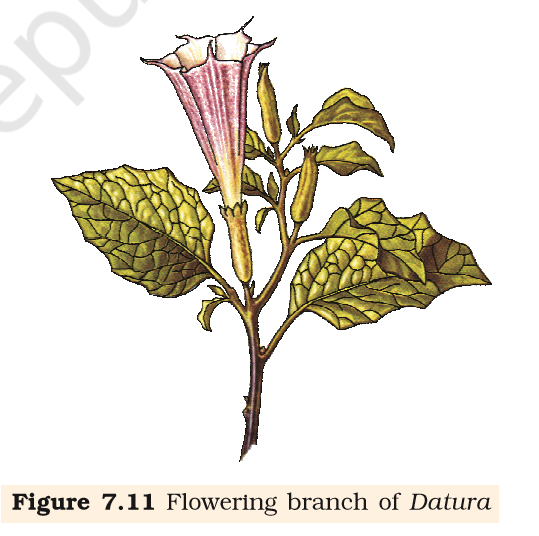
Figure 7.9 the skeletal structure of a cannabinoid molecule, the group of chemicals obtained from Cannabis sativa.
Exam
For the AIDS question, always write the four routes of transmission and name the helper T cells as the cell the virus destroys. For cancer, the mark is usually for contact inhibition and metastasis. For drug abuse, name the source plant with the drug and one effect.